Ad variant creation
- The situation
- Development was underway on a new dynamic ad creation workflow, to push ads to a new channel (Meta) for activation. Design had fallen behind engineering.
- The ask
- Lead the design work to completion in four weeks.
Case study · Design leadership
In January 2024 I was asked to lead a design team that had stalled in the middle of a business-critical delivery, as a player-coach: hands-on in the work while coaching the designers. This is how I read the situation, what I prioritised, and what changed.
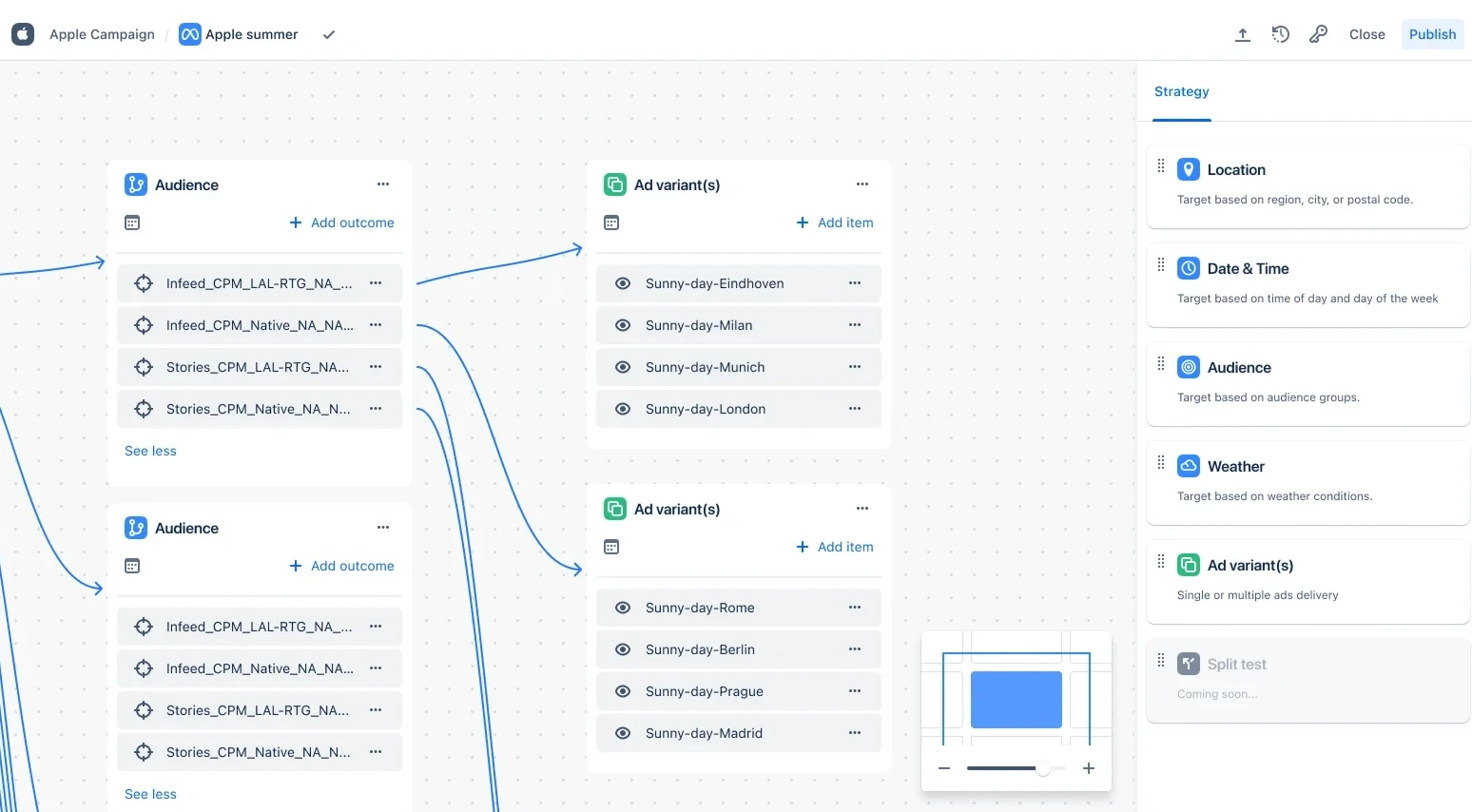
The team had stalled in the middle of a business-critical delivery, and I wasn’t officially in the new position yet. I stepped in as a player-coach, taking on delivery myself while setting direction for the team.
Creative Optimisation is a dynamic creative optimisation platform that automatically generates thousands of ad variations, using real-time data to tailor the message to audience traits. It is a core product within Open Media Studio, the WPP Open platform that media agencies use to plan, activate and analyse campaigns. Its users are creative designers and campaign managers.
Within three months I’ve tackled three critical problems.
Before restoring productivity I needed to understand why it had stopped. After conversations with designers and product leaders, three issues stood out.
Three problems, three different kinds of decision. The reasoning that mattered most came from ad activation, where the MVP had been built before the designs were finalised.
The MVP already in development had usability red flags around the information flow. Configuring the nodes would be cumbersome for users managing large-scale campaigns, and it would not scale to more complex setups. Further exploration of alternative layouts led the designer to a potentially more scalable solution for those use cases. The designer became convinced it was the answer to all the problems, and was reluctant to progress without it.
The delivery team, quite understandably, would not change the front-end solution midway through building the MVP. Both positions were reasonable, but together they left the work stuck.
There are times UX can be an add-on. This wasn’t one of them.
The information flow is foundational. Each feature added would lock us further into the same direction and increase the cost of pursuing a more scalable one, so waiting was a decision in itself.
I noticed the designer was stuck, unable to push for the new direction but unwilling to carry on with the old one, so I stepped in to find a way forward. The way out of a situation like this is to back up the assumed strengths and weaknesses of both solutions with timely feedback, while there is still time to change course. The designers were concerned they hadn’t been given enough time for user validation. I believe time can be made when it’s worth it, and this was.
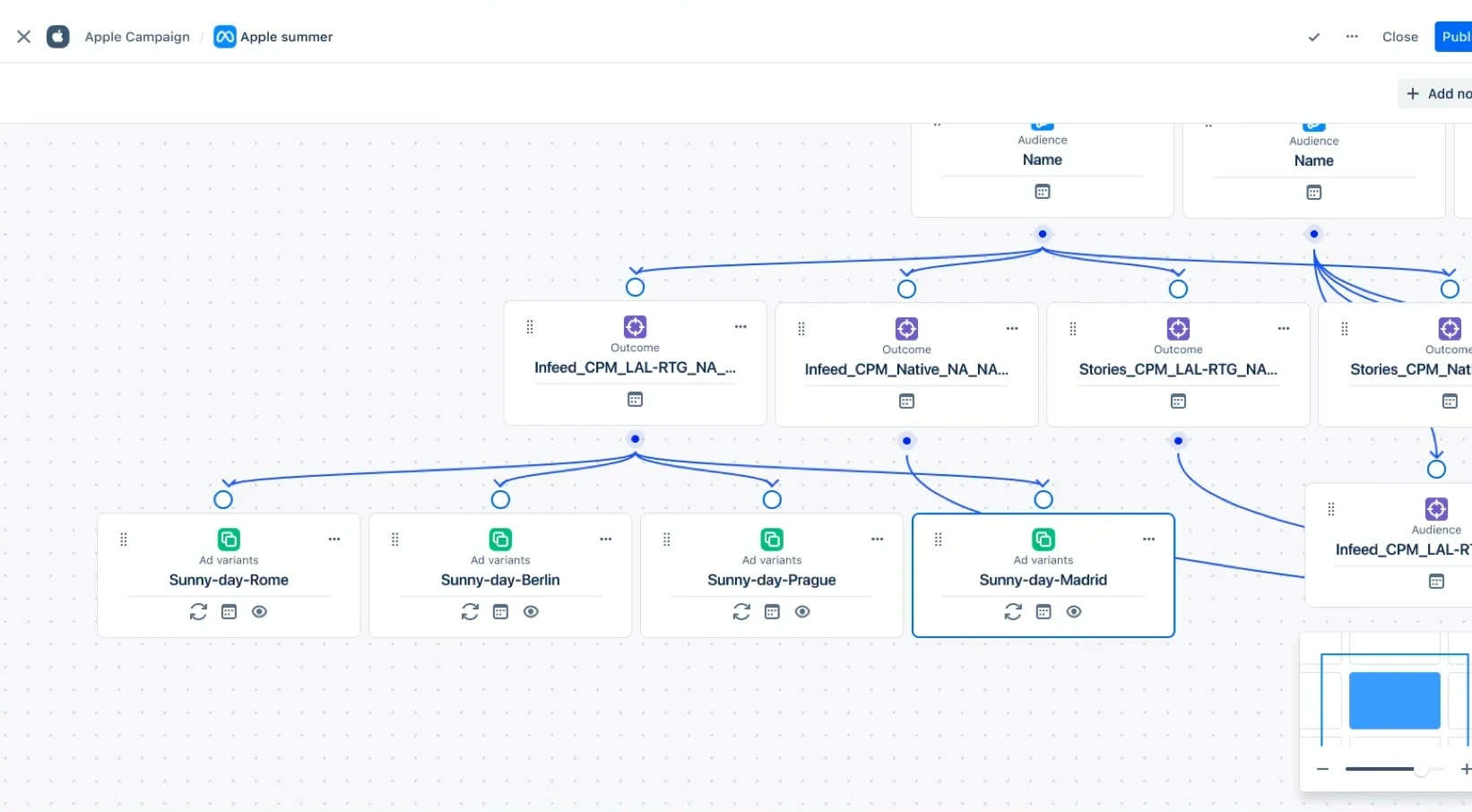
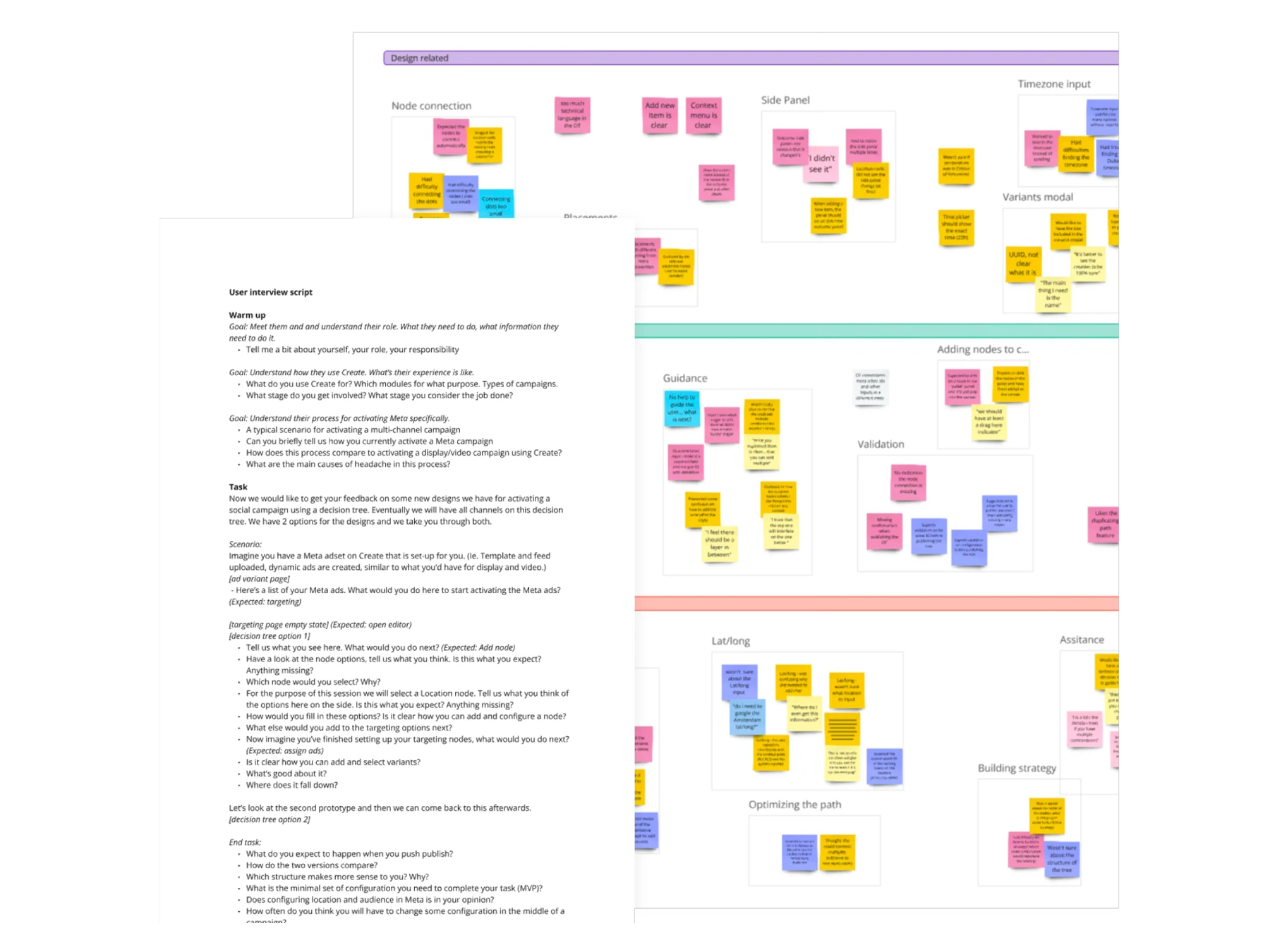
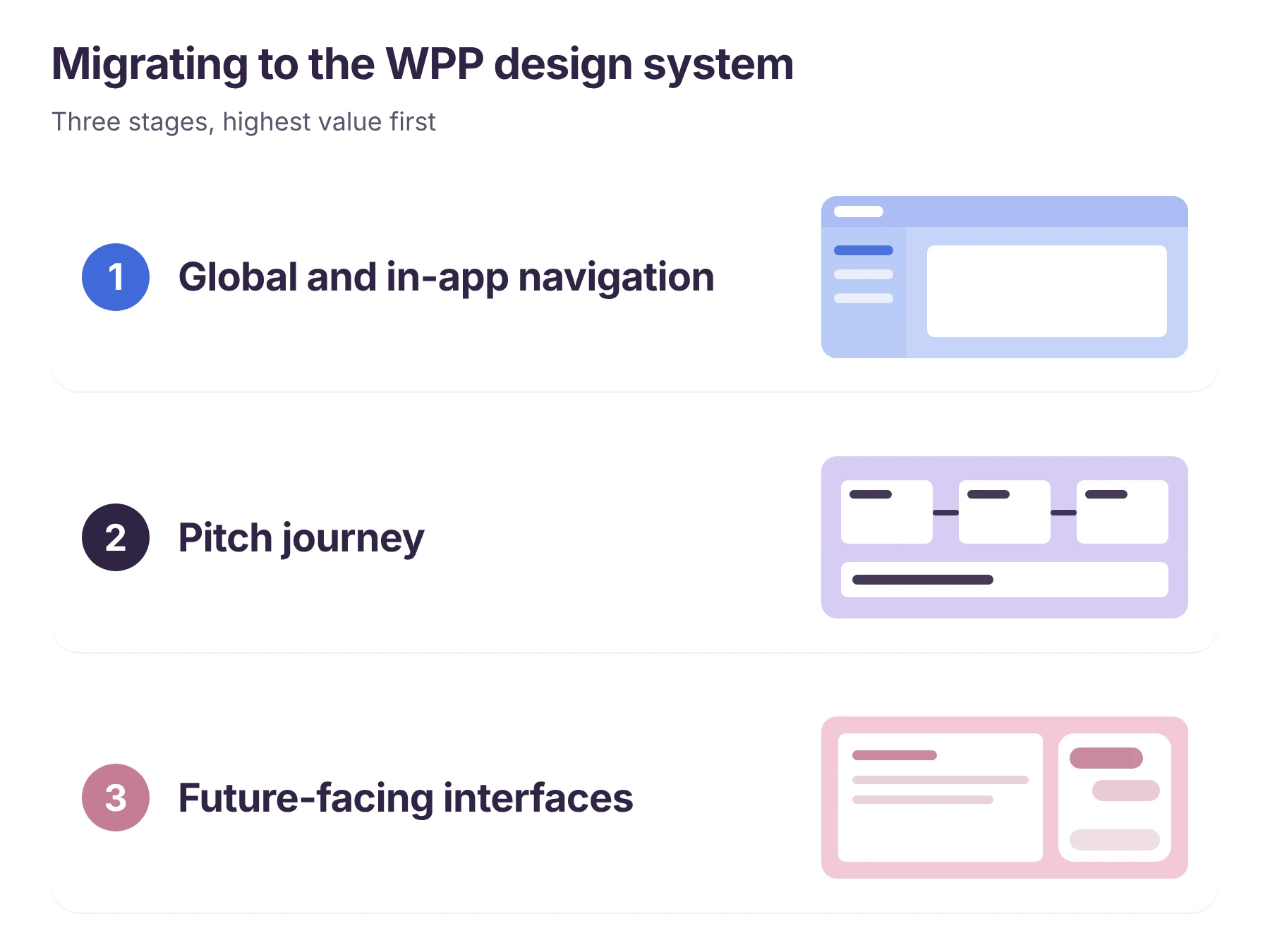
The common thread: make the reasons visible, listen to how the team is doing, and keep the bar rising. As a player-coach, I worked on the problems myself while growing the designers around me.
Within three months the team’s reputation moved from “always six months behind engineering” to “ahead for the very first time”.
For the first time design team is ahead, great work!
You are doing great work. The team is already more productive.
I’m always interested in connecting with people building thoughtful products, tackling complex challenges and putting design at the heart of meaningful change.