Product Design Lead, London

I design enterprise products, and lead the teams that build them.

I lead design for complex enterprise products from discovery through to delivery. With a background in software development, research and product design, I bring a systems-level view and help shape product direction by turning ambiguity into decisions teams can act on.

01Experience strategy, design leadership, agentic AI

From siloed products to a connected experience

I turned a cross-product design challenge into a unified product vision, aligned teams around a shared direction, and helped launch Activation Hub at WPP.

Outcome

From first concept to live pilot in a year, and the foundation for agentic campaign activation across WPP.
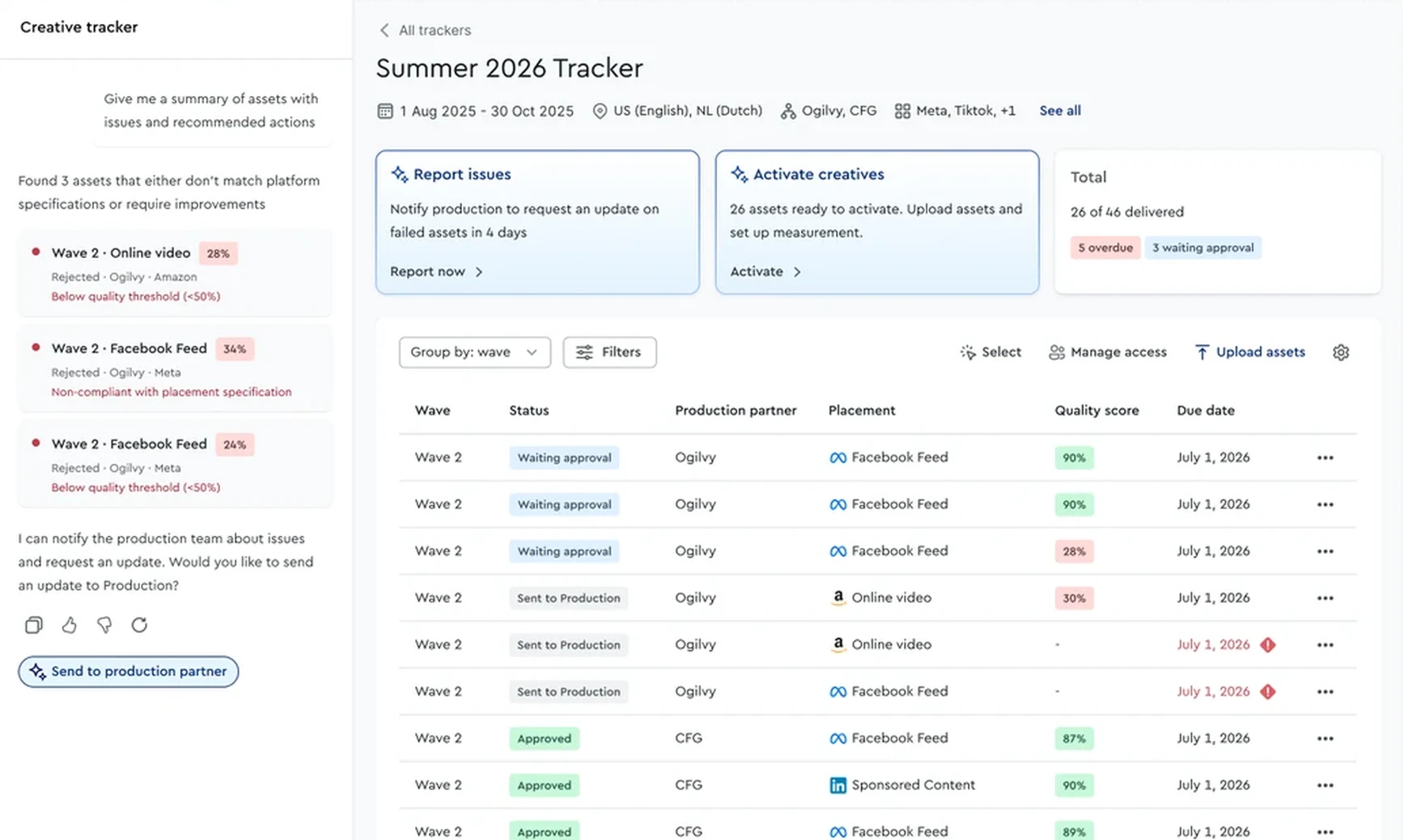
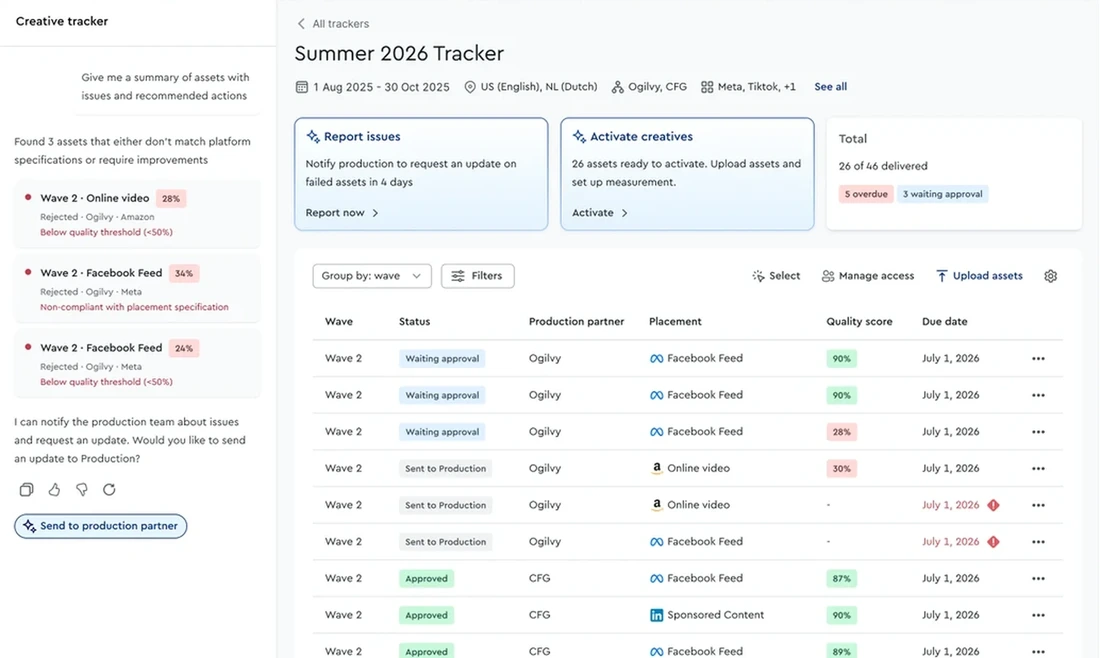
Activation Hub Creative Tracker: an AI assistant summarising assets with issues beside a tracker table of waves, statuses, production partners and due dates

02Design leadership

First 90 days as design lead

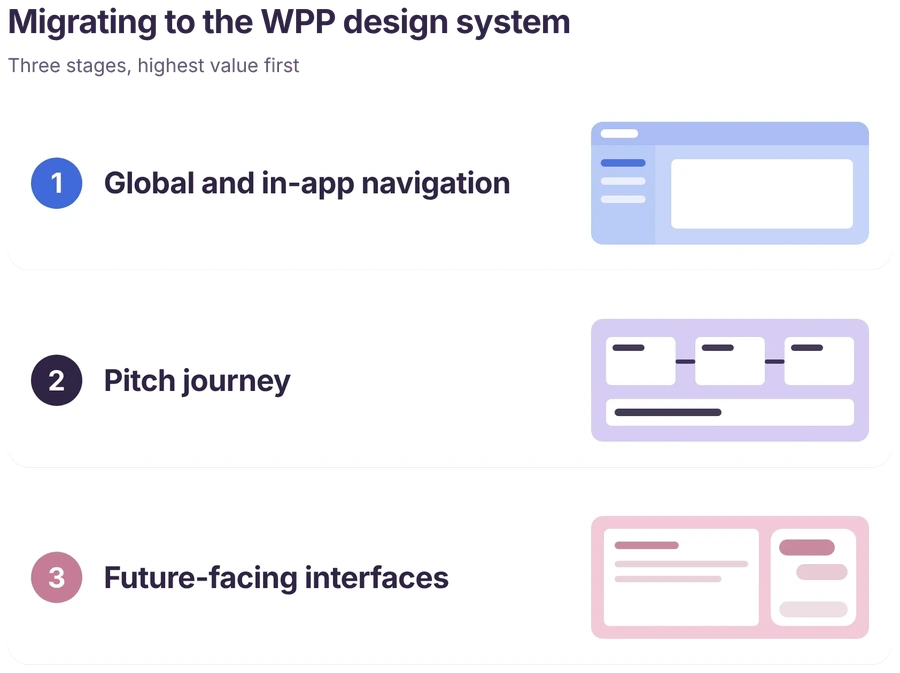
In January 2024 I was asked to lead a design team that had stalled in the middle of a business-critical delivery. Three problems, three months: unblocking a delivery, settling a risky information-architecture call with user evidence, and starting a design system migration.

Outcome

In three months the team went from six months behind engineering to ahead for the first time.

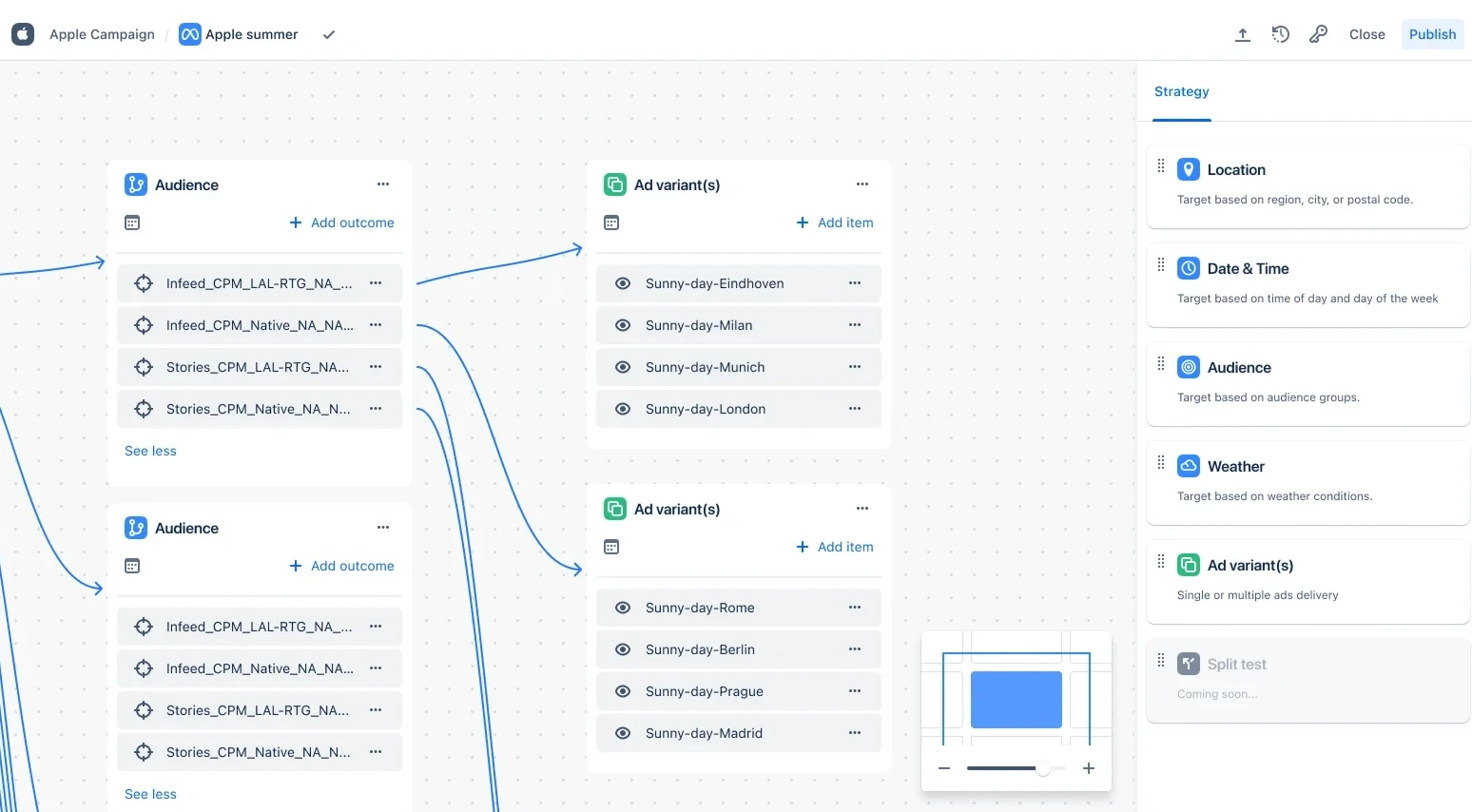
Ad activation Option 2: the proposed alternative layout, with audience and ad variant cards connected left to right

See all case studies →

I use AI to learn complex domains faster, explore more directions and prototype in code, so decisions are made on something real.

Before

With AI

Learning

Months of ramp-up, dependent on specialists with different perspectives

3 weeks to 80% of the foundationDeep dives into buying platforms (DV360, Google Ads, Meta, TikTok), ad servers (CM360, SA360), their constraints, terminology and hierarchies

Exploring

One direction, shaped by one person’s time

Many directions, compared to the goalFigma Make and Lovable, with LLM-drafted prompts

Handing off

Jira tickets, mockups, annotations

A working prototypeBuilt in Claude Code, so engineers react to the real thing

See how, in the Activation Hub case study →

I start by understanding the problem properly, look for the simplest way through it, and bring the team with me.

  1. Start with the real problemI’d rather spend the time up front on the real problem and the jobs to be done, because it saves time later. Even two days of research beats none.
  2. Decide what to build, and what comes firstI connect user needs, product goals and delivery constraints into decisions a team can act on, and I’m honest about what to do first and what can wait.
  3. Question complexity before accepting itWhen the answer is “users will need training”, I take it as a prompt to understand the system and look for the simpler model.
  4. Use AI to learn fast and build to learnI use AI to get up to speed in unfamiliar domains, explore directions in parallel and prototype in code, choosing the fidelity the moment calls for. The judgement stays mine, and I check what it gives me with the people who know the domain.
  5. Release early and learn earlyI break the work into increments with a clear end state, so the team can test and learn without destabilising what users already rely on.
  6. Player and coachI work as a player-coach: hands-on in the work while coaching the designers around me. I’m open about direction and the reasons behind decisions, give honest feedback, and challenge people to grow their influence.

I’m always interested in connecting with people building thoughtful products, tackling complex challenges and putting design at the heart of meaningful change.